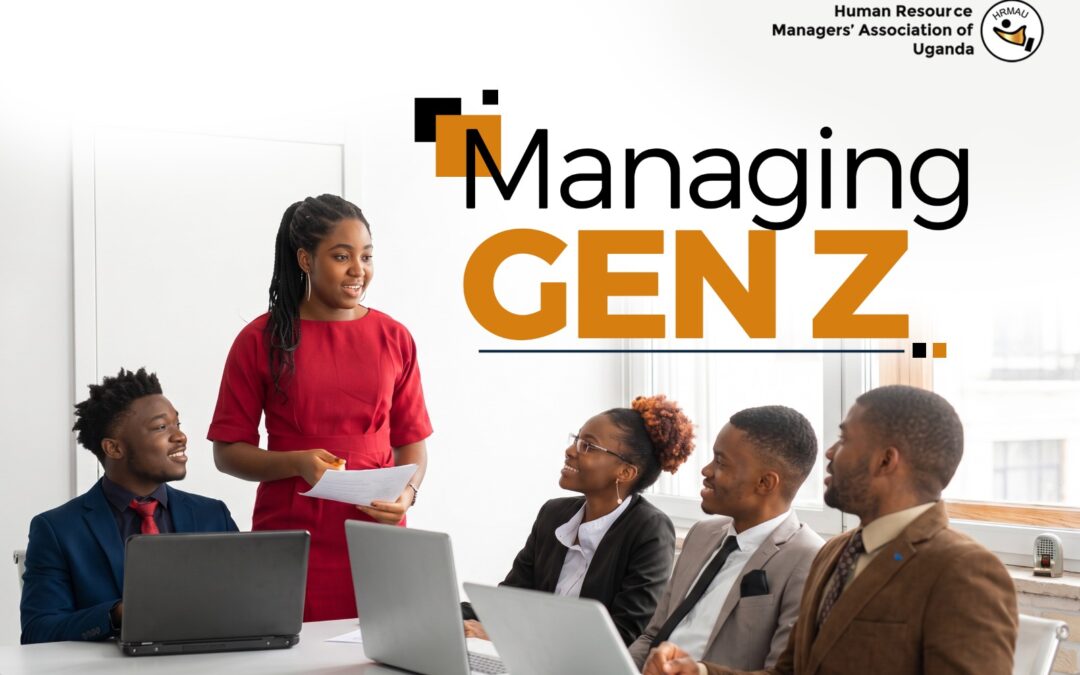
Gen Z, commonly defined as individuals born between 1997 and 2012, is rapidly transforming today’s workforce. As more members of this generation graduate from universities and enter employment, organizations are faced with a new challenge: adapting their talent management strategies to meet the expectations of a generation that has grown up in a digital, fast moving, and highly connected world. While previous generations prioritized job security and long term employment, Gen Z places greater emphasis on purpose, flexibility, career growth, and continuous learning. This shift calls for a rethinking of how organizations attract, develop, engage, and retain talent.
Talent management has traditionally focused on recruiting skilled employees, evaluating their performance, and retaining them for as long as possible. However, managing Gen Z requires organizations to move beyond these conventional approaches. Today’s young professionals are not merely looking for employment; they are seeking meaningful careers where they can learn, innovate, and make an impact. Organizations that fail to recognize these changing expectations risk losing talented employees to competitors that offer a more engaging employee experience.
One defining characteristic of my generation (Gen Z) is our strong connection to technology. Having grown up with smartphones, social media, and instant access to information, we expect digital solutions in nearly every aspect of the workplace. Recruitment processes, on-boarding, learning and development, performance management, and internal communication should therefore leverage technology to enhance efficiency and employee experience. Organizations that continue relying on outdated and cumbersome HR processes may struggle to attract digitally savvy young professionals.
Career development is another major priority for Gen Z. Unlike previous generations who often remained in one organization for many years, many of us seek continuous opportunities to learn and grow. We value employers who invest in mentorship, professional training, coaching, and clear career progression pathways. When employees perceive limited opportunities for growth, we are more likely to explore opportunities elsewhere. Consequently, organizations must position learning and development as an ongoing investment rather than an occasional activity.
Gen Z also values meaningful work. Salary remains important, but many young employees want to understand how their roles contribute to broader organizational goals and societal impact. They are more engaged when they work for organizations whose values align with their own and where they feel their contributions are recognized. Employers who foster purpose-driven cultures often experience higher levels of motivation, commitment, and employee loyalty.
Another expectation among Gen Z employees is flexibility. The COVID-19 pandemic accelerated the adoption of flexible working arrangements and demonstrated that productivity can be achieved outside traditional office settings. Although not every organization can fully embrace remote work, offering flexible schedules, hybrid work models where appropriate, and greater autonomy can significantly improve employee satisfaction and retention. Flexibility also reflects trust, which strengthens the relationship between employers and employees.
Despite their many strengths, managing Gen Z is not without challenges. Some employers perceive young professionals as impatient, overly ambitious, or less committed because they change jobs more frequently. However, these perceptions often overlook the fact that Generation Z is motivated by growth, purpose, and continuous feedback. Rather than viewing frequent career changes as a lack of loyalty, organizations should examine whether they are providing an environment where employees feel challenged, supported, and appreciated.
Leadership also plays a crucial role in managing this generation effectively. Gen Z values approachable leaders who communicate openly, provide regular feedback, and encourage collaboration. Unlike traditional leadership models that relied heavily on hierarchy, today’s young employees appreciate leaders who coach, mentor, and empower rather than simply supervise. Building trust through transparent communication creates stronger relationships and enhances employee engagement.
To effectively manage Gen Z talent, a generation I do belong, organizations should embrace several key strategies. First, recruitment should emphasize employer branding by showcasing organizational culture, development opportunities, and employee experiences. Second, organizations should invest in continuous learning programs that equip employees with both technical and soft skills needed for future success. Third, performance management should shift from annual appraisals to continuous feedback and coaching conversations. Finally, organizations should prioritize employee well being by promoting mental health, work-life balance, diversity, equity, and inclusion.
In Uganda, where thousands of graduates enter the labour market each year, organizations have an opportunity to harness the creativity, digital skills, and innovative thinking that Gen Z brings. However, realizing this potential requires HR professionals to move beyond traditional talent management practices and adopt more people centered approaches. Employers that intentionally create environments where young professionals can learn, contribute, and grow will not only attract the best talent but also build resilient organizations capable of thriving in an increasingly competitive business environment.
As the workplace continues to evolve, talent management must evolve alongside it. Gen Z is not simply another generation entering employment; they represent the future of work. Organizations that understand their aspirations, invest in their development, and create meaningful employee experiences will gain a sustainable competitive advantage. Ultimately, successful talent management is not about changing Gen Z to fit existing workplaces it is about creating workplaces that bring out the very best from this generation.
By: Egolet Nicholas (Bachelors of Human Resource Management)
President Emeritus HR Student’s Association MUBS