
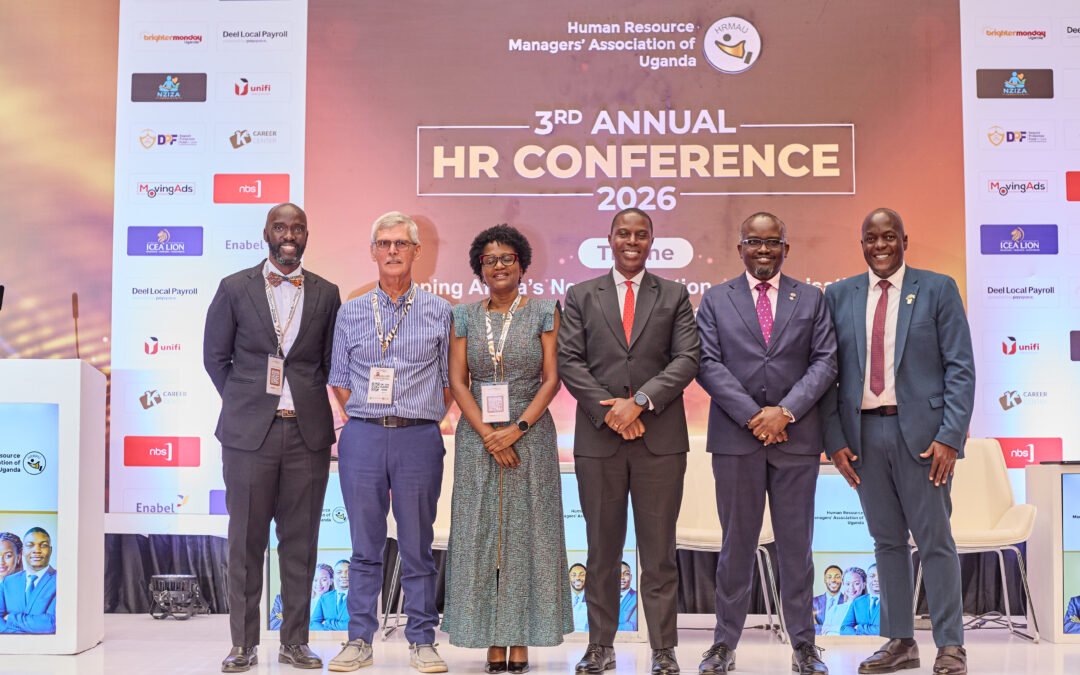
The future of African organisations will depend not only on how quickly they embrace technology, but also on how effectively they develop their people, strengthen leadership and create workplaces where individuals can contribute meaningfully.
This was the central conversation at the 3rd Annual HR Conference, organized by the Human Resource Managers’ Association of Uganda (HRMAU) on 11 and 12 November 2026 at Kampala Serena Hotel.
Held under the theme “Shaping Africa’s Next Generation Organizations: People-Centered Leadership and Technology for Sustainable Growth,” the conference brought together HR professionals, business leaders, policymakers and industry experts to examine the changing workplace and HR’s role in preparing organisations for the future.
Across the two days, one message emerged consistently: HR can no longer afford to operate on the sidelines of organisational decision-making.
Opening the conference, HRMAU President Paul Rumanda Rugambwa challenged participants to reconsider the relationship between people and technology. As conversations about artificial intelligence increasingly focus on whether machines will replace workers, he encouraged delegates to approach the future differently.
“The organisations that will determine Africa’s future are those that put people at the center and allow technology to serve them, rather than the other way around.”
For Rugambwa, Africa’s youthful population represents an opportunity requiring deliberate investment in skills and employment. He highlighted Enabel’s We Work project, the National Apprenticeship Programme, the NBS Next Creator Programme and Refactory Uganda as initiatives connecting young people to opportunities in the evolving labour market.
The President also reaffirmed HRMAU’s continued engagement with Parliament and the Ministry of Public Service on the HR Professionals Bill, aimed at professionalizing and regulating HR practice in Uganda.
His remarks challenged practitioners to examine the standards and professional responsibilities that will shape future workplaces.
As he reminded delegates, “The standards we set for ourselves today shape the workplaces of tomorrow.”
The connection between people development and economic progress was further explored by keynote speaker Mrs. Catherine Bitarakwate Musingwire, the outgoing Permanent Secretary at the Ministry of Public Service and incoming Permanent Secretary at the Ministry of Gender, Labour and Social Development.
Her address connected the conference theme to Uganda’s ambition to expand its economy from approximately USD 50 billion to USD 500 billion by 2040.
Achieving this ambition, she explained, will require improvements in productivity, value addition, private sector investment, science, technology and innovation. At the center of these ambitions is human capital.
She emphasized that organisations need people with the right competencies, effective leadership and systems that enable them to perform. For HR professionals, this means aligning workforce development with institutional priorities and national economic ambitions.
Her message also highlighted the importance of collaboration between government, employers and HR practitioners in building sustainable organisations.
While the opening and keynote addresses focused on the future, other discussions confronted workplace realities that can prevent organisations from progressing.
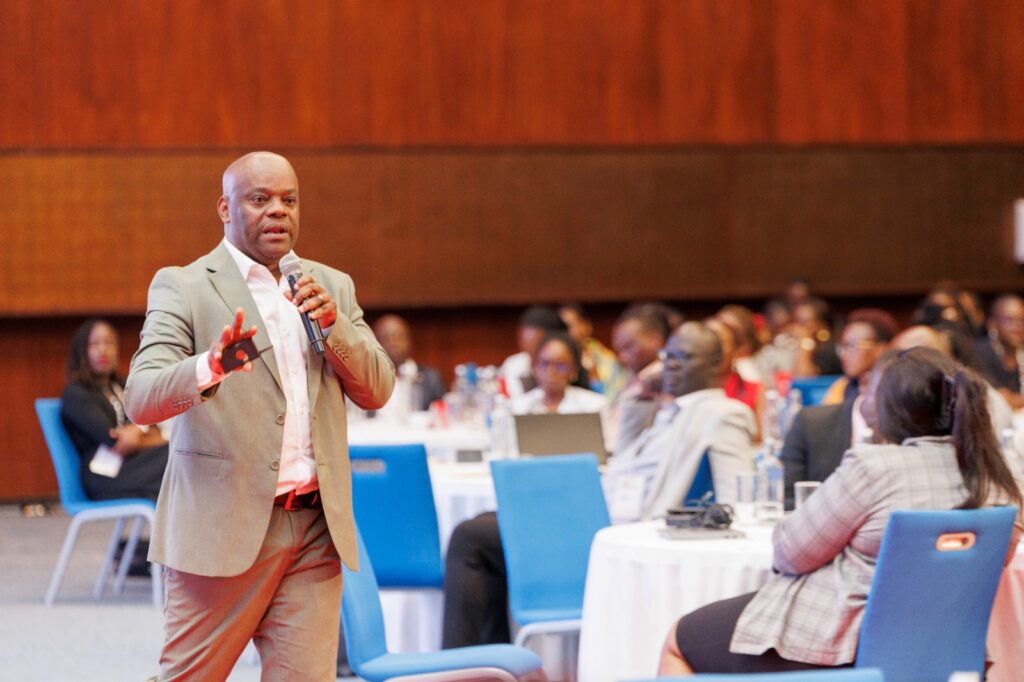
Samkelo Blom, CEO of Nomatu Consulting in South Africa, challenged HR practitioners to examine how their organisations handle conflict, accountability and difficult leadership decisions.
Through practical examples, Blom demonstrated how avoiding uncomfortable conversations allows toxic behavior to become embedded in organisational culture. He questioned situations where influential leaders or high-performing employees escape accountability because of their positions or business results.
His argument was that performance should never excuse bullying, harassment or other forms of misconduct.
The discussion raised important questions about HR’s credibility. Can professionals genuinely champion organisational values while remaining silent when those values are violated?
Blom also challenged delegates to reconsider how they measure their contribution. Training reports, performance assessments and administrative activities remain important, but they must translate into stronger teams, healthier cultures and measurable outcomes.
His master class on strategic HR business partnering extended this conversation, encouraging practitioners to strengthen their financial understanding, business acumen, coaching capabilities and organisational consulting skills.
The underlying message was that HR must understand the business as thoroughly as it understands its people.
The importance of connecting talent development to employment opportunities also featured prominently.
David Maraka of Enabel highlighted the challenge facing Uganda’s young labour force, noting that more than 700,000 young people enter the labour market annually, many without clear pathways into sustainable employment.
He encouraged employers to collaborate with training institutions, support apprenticeships and internships, and prioritise practical competencies alongside academic qualifications.
Similarly, Dr. Shamim Matovu of Victoria University emphasized mentorship, experiential learning and supportive workplaces that allow young professionals to develop.
These discussions reinforced that preparing Africa’s workforce requires more than producing qualified graduates. It requires opportunities where skills can be applied and developed.
Technology and artificial intelligence were equally important subjects, particularly their impact on jobs, productivity and organisational structures.
David Wandera, Managing Director of Absa Bank Uganda, discussed automation in banking while emphasizing the continuing importance of human judgment, empathy and customer relationships.
Ambrose Kibuuka of ICEA LION General Insurance shared an example of AI adoption in medical claims processing, illustrating how automation can improve efficiency while creating new employee responsibilities.
These conversations highlighted the importance of preparing employees for technological change rather than treating technology adoption as an isolated investment. Other discussions examined ethical redundancy decisions, employee well-being, inclusion and sustainability.
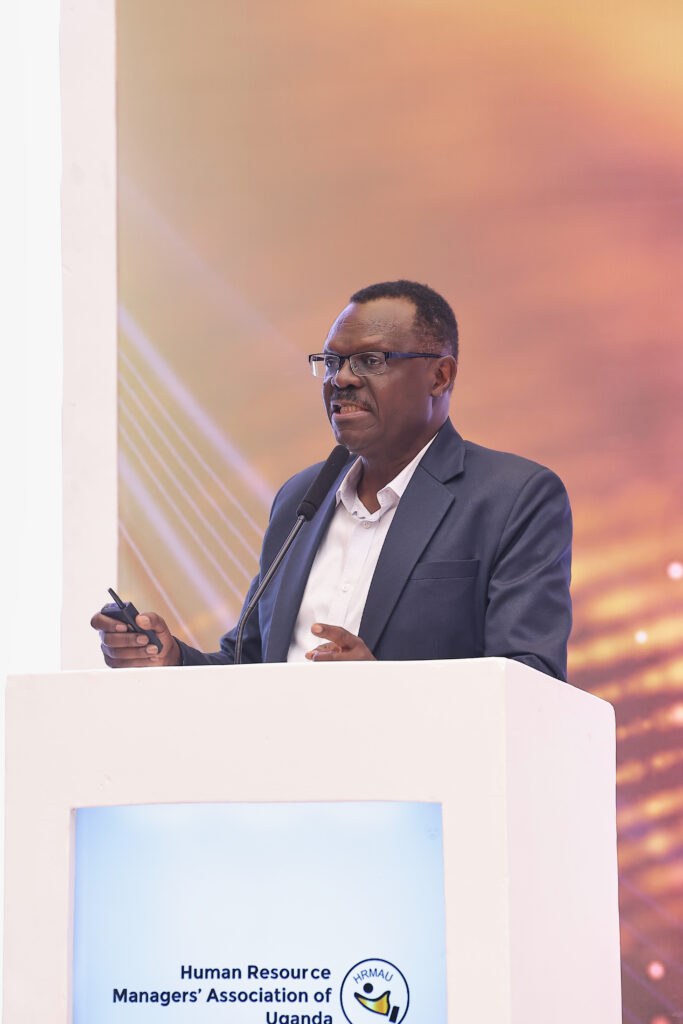
Bringing the conference’s major addresses to a close, Patrick Ayota, Managing Director of the National Social Security Fund (NSSF), challenged leaders to consider what their organisations could become over the next five to ten years.
His address shifted attention from current changes to the decisions organisations must make to remain relevant tomorrow.
He also emphasized understanding customers, empowering employees and building organisations capable of responding to changing expectations. He challenged traditional performance management approaches, encouraging leaders to assess productivity through results rather than physical presence.
On technology, he advocated embracing artificial intelligence responsibly, with appropriate safeguards, while simplifying organisational processes and enabling employees to innovate.
He also addressed gender gaps in career progression, inclusive workplace support systems and aligning corporate social responsibility with sustainable development.
His perspective reinforced an important principle: organisations cannot prepare for the future by relying entirely on structures and practices that worked in the past. They must continuously examine how they serve customers, support employees and create value.
The conversations at the 3rd Annual HR Conference demonstrated how significantly expectations placed on HR professionals are changing.
From workforce development and ethical leadership to AI adoption, organisational sustainability and business performance, HR is increasingly expected to contribute to decisions determining long-term organisational success.
For the professionals gathered at Kampala Serena Hotel, the challenge is translating these discussions into workplace practice.
This means speaking up when organisational values are compromised, investing in emerging talent, preparing employees for technological change and ensuring leadership decisions recognize both business priorities and human dignity.
As HRMAU continues its work towards professionalizing the sector, the conference offered a clear direction for the profession.
The next generation of African organisations will not be shaped by technology alone. They will be shaped by the quality of leadership, the opportunities created for people and the willingness of HR professionals to take responsibility for both.